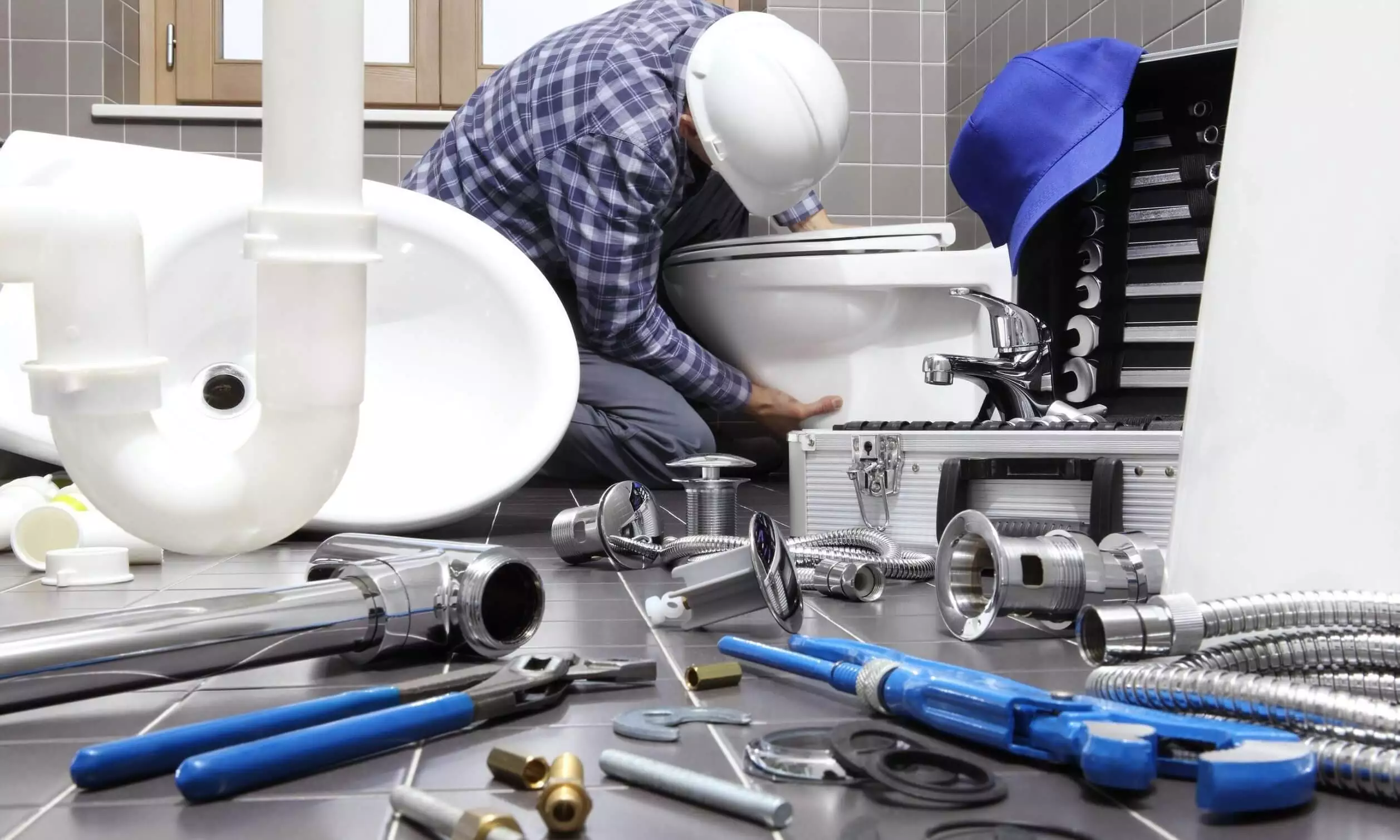
Plumbing problems can quickly become expensive if they are ignored. A dripping faucet, clogged drain, or hidden leak may seem like a minor inconvenience, but these issues often lead to higher water bills and costly repairs over time. The good news is that homeowners can avoid many plumbing expenses by following a few simple maintenance practices. Taking care of your plumbing system not only saves money but also helps keep your home safe and comfortable.
Content
1. Fix Leaks Immediately
A small leak can waste hundreds of gallons of water every year. Regularly inspect faucets, showerheads, toilets, and exposed pipes for signs of dripping or moisture. Repairing leaks as soon as they appear prevents water damage, mold growth, and unnecessary increases in your utility bills.
2. Avoid Pouring Grease down the Drain
Kitchen drains are one of the most common places where clogs develop. Grease, cooking oil, and food scraps harden as they cool, eventually blocking pipes. Instead of pouring grease into the sink, let it cool in a container and throw it away with your household waste. Using drain strainers also helps prevent food particles from entering the plumbing system. If a stubborn blockage develops despite your best efforts, affordable plumbers can safely remove the clog before it causes more serious plumbing problems.
3. Watch What You Flush
Toilets are only designed to handle human waste and toilet paper. Flushing wipes, paper towels, cotton balls, hygiene products, or other household items can create stubborn blockages that are expensive to remove. Even products labeled as “flushable” may not break down properly in your plumbing system. Being mindful of what goes down the toilet can prevent unnecessary repairs.
4. Test Your Toilet for Hidden Leaks
A leaking toilet can silently waste a significant amount of water every month. One easy way to check for leaks is by placing a few drops of food coloring into the toilet tank. Wait about 15 minutes without flushing. If the color appears in the bowl, the toilet likely has a leak that should be repaired. Replacing a worn flapper is often an inexpensive fix.
5. Insulate Exposed Pipes
Pipes located in basements, crawl spaces, garages, or exterior walls are at greater risk of freezing during cold weather. Frozen pipes can burst and cause severe water damage. Installing foam pipe insulation is an affordable way to protect your plumbing system while also helping hot water stay warmer as it travels through the pipes.
6. Maintain Your Water Heater
Water heaters naturally collect sediment over time, reducing their efficiency and increasing energy costs. Flushing the tank once or twice a year removes mineral buildup and helps the unit operate more efficiently. Routine maintenance can also extend the lifespan of your water heater and reduce the chance of unexpected breakdowns.
7. Monitor Your Water Pressure
High water pressure may seem beneficial, but it puts additional stress on your plumbing system. Over time, excessive pressure can damage pipes, fittings, appliances, and fixtures. Installing a simple pressure gauge allows homeowners to monitor water pressure and address problems before they become expensive repairs.
8. Know Where the Main Water Shut-Off Valve Is
Every homeowner should know the location of the main water shut-off valve. If a pipe suddenly bursts or a major leak occurs, shutting off the water supply immediately can prevent extensive property damage. Taking a few minutes to locate and test the valve today can save thousands of dollars in emergency repairs later.
9. Schedule Regular Plumbing Inspections
Many plumbing issues develop slowly and remain unnoticed until they become serious. Periodically inspect under sinks, around toilets, near water heaters, and behind appliances for signs of moisture, corrosion, or leaks. Catching problems early allows for smaller, less expensive repairs and helps maintain the overall health of your plumbing system.
10. Replace Aging Plumbing Fixtures
Older faucets, showerheads, and toilets often use more water than modern, water-efficient models. Upgrading outdated fixtures can reduce water consumption, lower monthly utility bills, and improve your home’s overall efficiency. Investing in newer plumbing fixtures today can provide long-term savings while adding value to your property.
Conclusion
Saving money on plumbing doesn’t require major renovations or professional expertise. By fixing leaks promptly, preventing drain clogs, maintaining your water heater, and performing routine inspections, homeowners can avoid many common plumbing problems before they become costly emergencies. Simple preventive maintenance goes a long way toward protecting your home and reducing repair expenses. When professional help is needed, choosing experienced plumbing specialists ensures your plumbing system remains efficient, reliable, and ready to serve your household for years to come.
Shery Walls is a dedicated home blogger who has been blogging for over six years. She covers everything home related. Shery also loves writing posts about her travels to Europe with her husband and two children.