Winter can be harsh on your home’s landscaping, especially your sprinkler system. Freezing temperatures cause water left in pipes to expand, often resulting in cracks, leaks, and other types of damage. If you notice reduced water pressure, non-functioning sprinkler heads, or unexpected puddles in your yard, it may be time to repair your sprinkler system after winter damage. In this article, we’ll guide you step by step on how to restore your system and prevent future problems.
Content
Understanding Winter Damage in Sprinkler Systems
Sprinkler systems are designed to efficiently water your lawn, but they are vulnerable to freezing damage. Water expands as it freezes, which can crack pipes, break sprinkler heads, and damage valves. According to Just Right Sprinklers, many homeowners experience problems each spring due to improperly winterized sprinkler systems. Even a small crack can reduce system performance and lead to costly repairs later.
If you fail to winterize your sprinkler system, you may face issues like:
Broken or cracked pipes
Damaged sprinkler heads
Malfunctioning valves
Leaks that waste water and increase utility bills
By understanding the risks, you can take immediate action to fix a frozen sprinkler system before it causes more serious damage.
Step 1: Inspect Your Sprinkler System
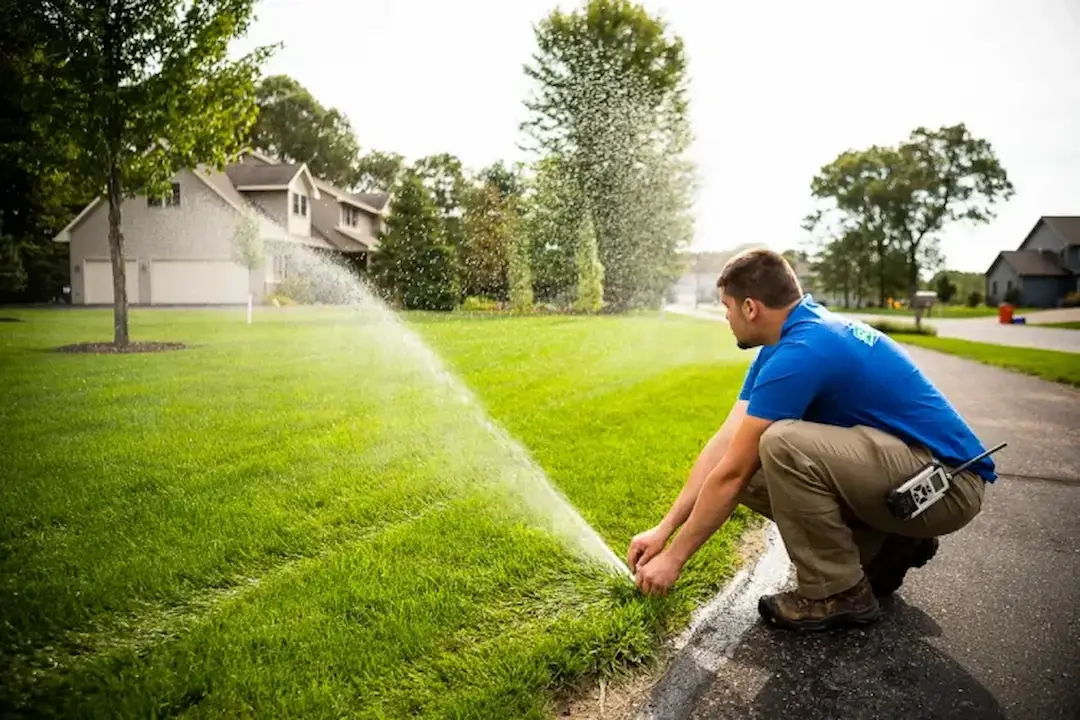
The first step in repairing a sprinkler system after winter damage is a thorough inspection. Walk through your property and check for:
Cracked or split pipes – Look along each sprinkler line for visible signs of damage.
Broken sprinkler heads – Check each head for cracks, missing parts, or poor water distribution.
Puddles or soggy areas – These may indicate leaks caused by freezing damage.
Malfunctioning zones – Turn on your system zone by zone to see if water pressure is consistent.
Identifying all damaged areas early helps you plan for repairs and prevents further deterioration.
Step 2: Shut Off the Water Supply
Before making any repairs, shut off the water supply to the sprinkler system. This prevents leaks from worsening and ensures safety while working on the system. If you fail to winterize your sprinkler system and damage has occurred, water left on can escape through cracks, making the repair process more complicated.
Step 3: Repair or Replace Damaged Components
Once your system is off, you can begin repairing or replacing damaged parts. Common issues after freezing damage include:
Pipes – Small cracks may be repaired with pipe sealant, but larger breaks require replacement of the affected section.
Sprinkler heads – Remove broken heads and install new ones that match your system’s specifications.
Valves – Freezing can damage valve seals. Replace faulty valves to restore proper zone control.
Backflow preventers – These are especially vulnerable to freezing. Inspect and replace any cracked units.
According to Just Right Sprinklers, using quality replacement parts ensures longevity and reduces the likelihood of future freezing damage.
Step 4: Check Electrical Connections
If your sprinkler system is automated, freezing weather may also affect wiring. Inspect all electrical connections for corrosion, breaks, or loose wires. Repair any issues to ensure your system operates efficiently. A frozen sprinkler system can sometimes fail to activate due to electrical problems, so this step is crucial for full restoration.
Step 5: Test Your Sprinkler System
After completing repairs, turn the water supply back on slowly and test each zone. Watch for:
Uneven water distribution
Leaks from newly repaired pipes or sprinkler heads
Proper operation of valves and timers
Testing ensures your sprinkler system functions as intended and that all winter damage has been addressed.
Step 6: Prevent Future Damage
Repairing your system is important, but prevention is key to avoiding recurring problems. Here’s how to protect your sprinkler system from winter damage:
Winterize before freezing temperatures – Drain water from pipes, sprinkler heads, and valves.
Use insulation – Protect backflow preventers and exposed pipes with foam covers.
Schedule professional maintenance – Experts can detect hidden problems before they escalate.
According to Just Right Sprinklers, homeowners who take preventive measures drastically reduce the risk of costly repairs caused by a frozen sprinkler system.
Signs You Need Professional Help
Some winter damage may be too extensive for DIY repairs. Consider calling a professional if you notice:
Major pipe bursts or severe leaks
Extensive damage to multiple sprinkler heads or valves
Electrical issues you are not comfortable handling
Professional repair ensures the system is restored safely and efficiently, saving time and money in the long run.
Conclusion
Repairing a sprinkler system after winter damage requires careful inspection, proper repair, and preventive measures. Freezing damage and a frozen sprinkler system can significantly impact your lawn if not addressed promptly. By following these steps, including checking pipes, heads, valves, and electrical connections, you can restore your system to full functionality.
Preventive winterization is crucial. If you fail to winterize your sprinkler system, you risk repeated damage and higher repair costs. According to Just Right Sprinklers, regular maintenance and timely repairs are the best way to ensure a healthy, vibrant lawn year-round.
Shery Walls is a dedicated home blogger who has been blogging for over six years. She covers everything home related. Shery also loves writing posts about her travels to Europe with her husband and two children.