
Installing a hot tub isn’t as simple as placing it in your yard and filling it with water. From site preparation to electrical setup, every step matters. Here are the most common mistakes first-time buyers make—and how to avoid them.
Content
Choosing the Wrong Location
One of the biggest mistakes is picking a spot based purely on aesthetics rather than practicality. While it’s tempting to place your hot tub in the most scenic corner of your yard, you also need to consider accessibility, privacy, and maintenance.
A poorly chosen location can lead to issues like:
- Difficult access for cleaning and repairs
- Increased exposure to wind or debris
- Lack of privacy from neighbors
Ideally, your hot tub should be close to your home for convenience, especially during colder months. It should also be placed on level ground with proper drainage to prevent water accumulation.
Skipping a Proper Foundation
A hot tub filled with water and people can weigh several thousand pounds. Placing it on an unstable or uneven surface is a recipe for disaster.
Common foundation mistakes include:
- Setting the tub directly on grass or dirt
- Using an uneven concrete slab
- Ignoring soil stability
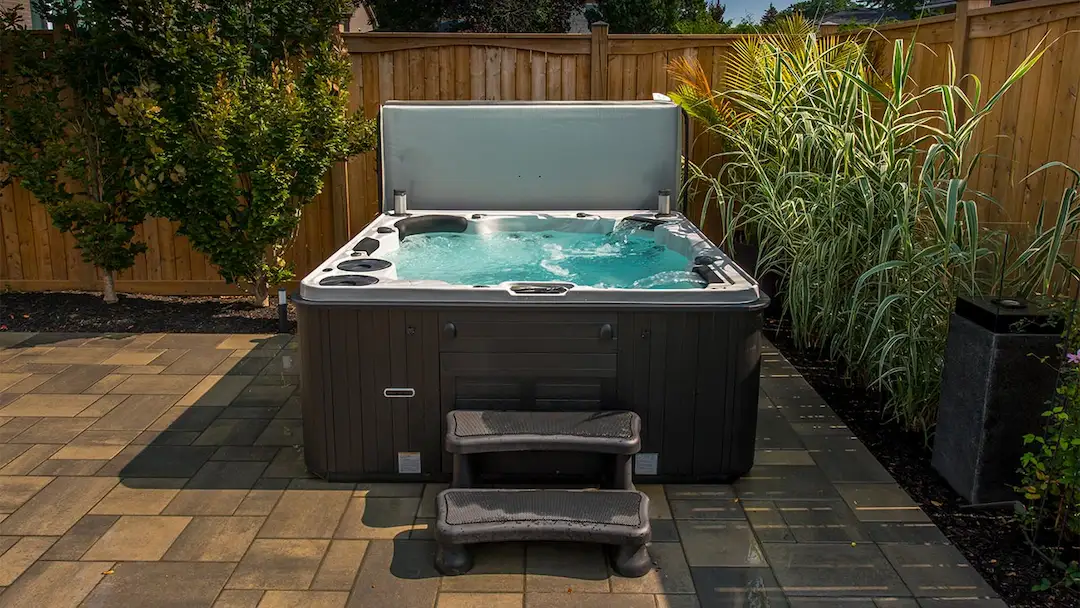
A reinforced concrete pad, pavers, or a professionally built deck are your best options. Investing in a solid foundation ensures long-term durability and prevents structural damage to the tub.
Overlooking Electrical Requirements
Hot tubs require specific electrical setups, often involving dedicated circuits and professional installation. Many first-time buyers underestimate this step or attempt DIY solutions.
This can lead to:
- Safety hazards like electrical shock
- Code violations
- Damage to the hot tub system
Always hire a licensed electrician to handle wiring and ensure compliance with local regulations. This is especially important in regions with strict building codes, such as areas where homeowners frequently install hot tubs in Idaho due to colder climates.
Ignoring Delivery and Access Logistics
It’s easy to forget how large and bulky hot tubs are until delivery day arrives. Without proper planning, you may find that your tub simply can’t fit through gates, around corners, or into your desired space.
Before purchasing, measure:
- Gate widths and pathways
- Clearance around your yard
- Obstacles like trees or fences
Some installations may even require a crane, which adds to your costs. Planning prevents delays and unexpected expenses.
Neglecting Water Drainage
Water splashing, draining, and refilling are all part of hot tub ownership. Without proper drainage, excess water can damage your yard, foundation, or nearby structures.
Common drainage issues include:
- Water is pooling around the base
- Soil erosion
- Damage to decks or patios
Make sure your installation site includes a drainage plan, such as a slight slope or a nearby drain system, to safely direct water away.
Forgetting About Maintenance Access
Many first-time buyers install their hot tub in tight or enclosed spaces without considering future maintenance needs. Every hot tub requires occasional servicing, and technicians need access to key components.
Blocking access panels can result in:
- Higher repair costs
- Longer service times
- Potential damage during maintenance
Leave at least a few feet of clearance around the service side of your hot tub to ensure easy access when needed.
Underestimating Energy Efficiency
Hot tubs can significantly impact your energy bills if not installed properly. Poor insulation, exposure to wind, or lack of a quality cover can all increase operating costs.
To improve efficiency:
- Choose a well-insulated model
- Install wind barriers if needed
- Use a high-quality, insulated cover
Positioning your hot tub strategically—such as near a wall or fence—can also help retain heat and reduce energy consumption.
Skipping Local Permits and Regulations
Depending on your location, installing a hot tub may require permits or adherence to zoning laws. Ignoring these requirements can lead to fines or forced removal.
Check with your local municipality to determine:
- Permit requirements
- Electrical and safety codes
- Fence or enclosure regulations
Taking this step ensures your installation is both legal and safe.
Installing a hot tub for the first time is an exciting project, but it’s not without its challenges. By avoiding common mistakes—such as poor site selection, inadequate foundations, and overlooked electrical needs—you can set yourself up for a smooth, stress-free experience.
A little planning goes a long way in ensuring your hot tub becomes a relaxing escape rather than a costly headache.

Shery Walls is a dedicated home blogger who has been blogging for over six years. She covers everything home related. Shery also loves writing posts about her travels to Europe with her husband and two children.