Modern cities are facing increasing environmental challenges such as rising temperatures, air pollution, and reduced green spaces. To address these issues, sustainable construction practices are becoming more important than ever. One of the most effective solutions in this area is green roofing systems, especially those built using Modular Green Roof Trays and Green Roof Tray technology. At the core of these systems lies the Green Roof Module, which plays a vital role in creating efficient and environmentally friendly rooftop ecosystems.
In simple terms, the Green Roof Module is the foundational unit that makes green roofing possible by supporting plant growth, managing water flow, and ensuring structural stability in rooftop environments.
Content
Understanding the Role of Green Roof Systems
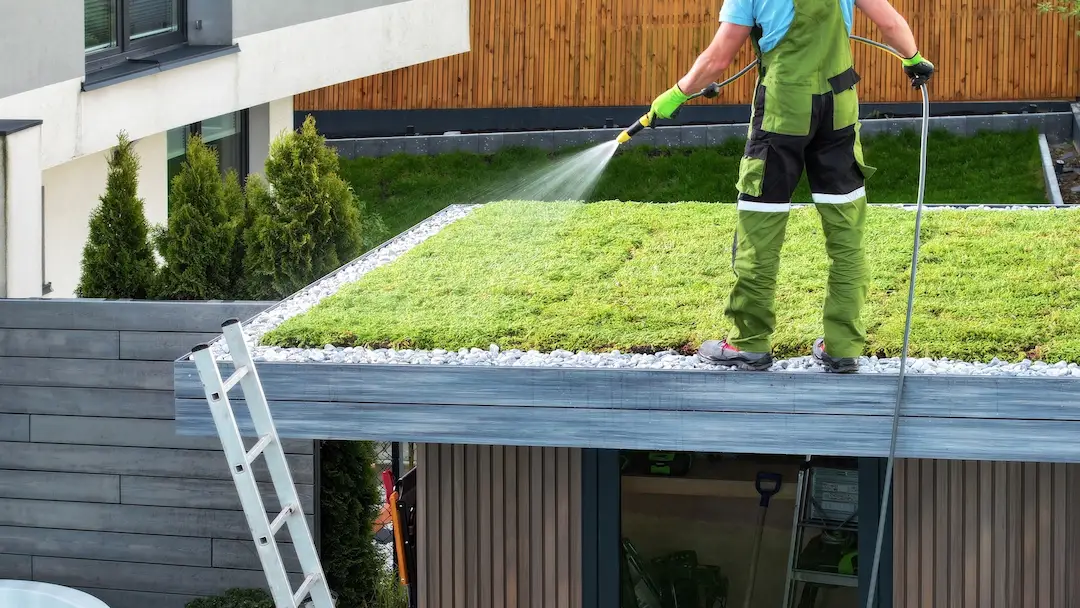
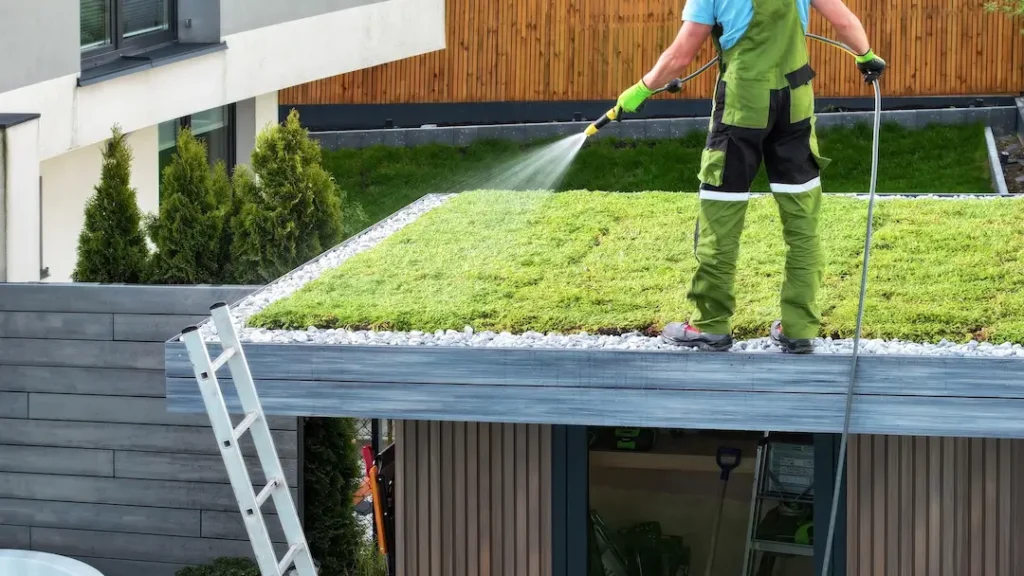
Green roofing systems are designed to transform unused rooftop spaces into functional green landscapes. A Green Roof Tray system is made up of pre-assembled units that contain soil, drainage layers, and vegetation. These trays are placed across rooftops to create a continuous green surface.
When combined with Modular Green Roof Trays, the system becomes even more efficient. Each tray acts as an individual unit but works together with others to form a unified structure. This modular approach simplifies installation and improves overall performance.
How Modular Green Roof Trays Improve Efficiency
The use of Modular Green Roof Trays has significantly changed how green roofs are installed and maintained. Instead of constructing layers directly on-site, these trays are pre-engineered and delivered ready for installation.
This reduces construction time, minimizes labor costs, and ensures consistent quality across the entire rooftop. Each tray contains a balanced system of drainage, water retention, and plant support, making it easier to maintain healthy vegetation.
Another advantage is flexibility. If a tray is damaged or worn out, it can be replaced individually without disturbing the rest of the system. This makes long-term maintenance much simpler and more cost-effective.
Importance of Green Roof Modules in Sustainable Buildings
The Green Roof Module plays a central role in ensuring that rooftop ecosystems function properly. It regulates water distribution, supports plant root systems, and maintains structural balance under varying weather conditions.
One of its most important functions is managing water flow. During rainfall, the module absorbs and temporarily stores water, preventing immediate runoff. This helps reduce pressure on urban drainage systems and lowers the risk of flooding.
At the same time, it releases moisture gradually, ensuring plants receive consistent hydration. This balance between retention and drainage is essential for maintaining healthy vegetation in rooftop environments.
Environmental Benefits of Green Roof Systems
Green roofing systems offer multiple environmental advantages that contribute to sustainable urban development. They help reduce the urban heat island effect by lowering rooftop temperatures and improving air quality by filtering pollutants.
They also support biodiversity by creating small habitats for plants, insects, and birds in densely populated cities. In addition, these systems improve stormwater management by absorbing rainwater and reducing runoff.
When integrated with Modular Green Roof Trays and Green Roof Tray systems, these environmental benefits become more consistent and scalable across different building types.
Energy Efficiency in Buildings
Sustainable buildings must also focus on energy efficiency, and green roofing systems play a key role in this area. Vegetation on rooftops acts as a natural insulation layer, reducing heat absorption during summer and retaining warmth during winter.
This helps lower the need for artificial heating and cooling systems, ultimately reducing energy consumption and utility costs. The Green Roof Module enhances this effect by maintaining a stable growing environment for plants.
Structural Stability and Design Flexibility
Another important reason Green Roof Modules are essential is their ability to distribute weight evenly across rooftops. This ensures that buildings are not overloaded by soil, water, and plant materials.
Because they are part of a Green Roof Tray system, the load is spread uniformly across multiple units, making them suitable for a wide range of building structures.
Additionally, Modular Green Roof Trays offer design flexibility. Architects can arrange them in various patterns to create visually appealing rooftop gardens while maintaining functionality.
Contribution to Urban Sustainability
Green roof systems are not just beneficial for individual buildings—they also contribute to the overall sustainability of cities. As more buildings adopt these systems, urban environments become cooler, greener, and more energy-efficient.
They reduce stormwater pressure on city infrastructure, improve air quality, and increase green cover in densely built areas. This collective impact plays a major role in creating sustainable urban ecosystems.
Conclusion
Green Roof Modules are essential components of modern sustainable buildings because they provide the foundation for efficient, durable, and environmentally friendly rooftop systems. When used alongside Modular Green Roof Trays and Green Roof Tray systems, they create scalable solutions that improve energy efficiency, manage water effectively, and support urban biodiversity.
As cities continue to grow, these systems will remain a key part of sustainable architecture, helping shape greener and more livable urban environments for the future.
Shery Walls is a dedicated home blogger who has been blogging for over six years. She covers everything home related. Shery also loves writing posts about her travels to Europe with her husband and two children.