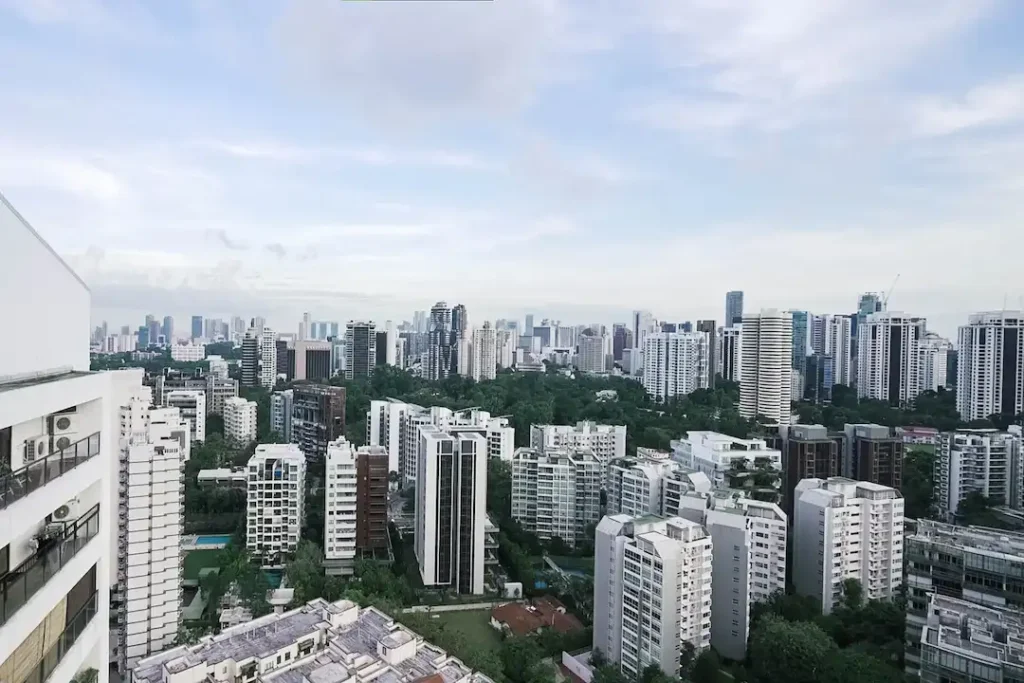
When people talk about real estate investment Singapore, one topic always comes up — freehold property singapore. In a market where most developments are leasehold, freehold properties feel like a rare long-term asset that many investors quietly compete for.
From my experience observing Singapore’s property market trends over the years, I’ve seen one consistent pattern: buyers who prioritize long-term wealth preservation often lean toward freehold assets, especially in prime or mature districts.
But is it really always the best choice? And what makes it so attractive in the first place?
Let’s break it down in a practical, no-nonsense way.
Content
What Is Freehold Property in Singapore?
In simple terms, freehold property in Singapore explained means you own the property and the land it sits on indefinitely. There is no expiry date on ownership, unlike leasehold properties which typically come with a 99-year tenure.
This is a key difference in land tenure Singapore, and it has a direct impact on long-term value, inheritance planning, and resale potential.
That said, freehold does not automatically guarantee higher returns — it depends on location, demand, and market cycles.
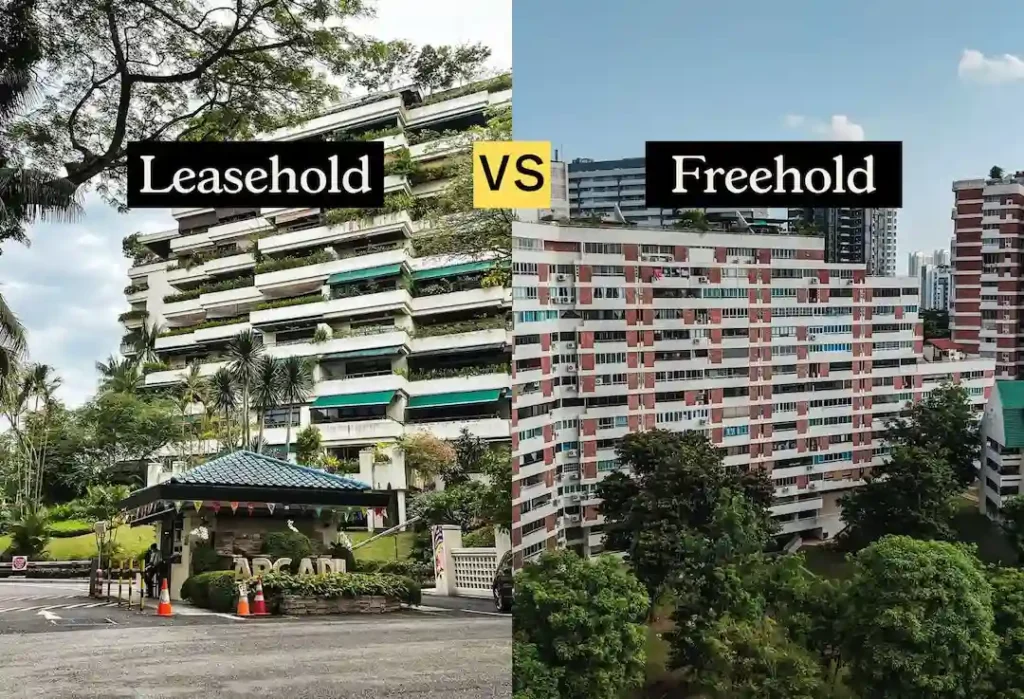
Freehold vs Leasehold Property Singapore: Key Differences
One of the most searched topics is freehold vs leasehold property Singapore which is better, and the answer is not one-size-fits-all.
Here’s how they generally compare:
Freehold: Permanent ownership, higher upfront cost, stronger legacy value
From a property investment guide Singapore perspective, freehold properties are often considered “defensive assets,” while leasehold units can sometimes offer better rental yields depending on location.
The real decision depends on your strategy:
Wealth preservation → Freehold
Yield optimization → Leasehold (in some cases)
Why Investors Prefer Freehold Property in Singapore
Based on Singapore property market trends, freehold properties tend to attract a specific type of investor — usually long-term holders who prioritize capital preservation.
1. Long-Term Ownership Stability
You never worry about lease decay, which becomes a concern after 40–60 years in leasehold properties.
2. Stronger Emotional Value
Many buyers prefer knowing the property can be passed down through generations.
3. Limited Supply
Freehold developments are naturally limited, which supports long-term pricing strength.
4. Higher Resale Appeal
In mature districts, freehold units often command premium interest.
Advantages of Buying Freehold Property in Singapore
Let’s look at advantages of buying freehold property in Singapore in a practical way:
No lease expiry concerns
Better inheritance planning for families
More stable long-term value perception
Strong demand in prime districts
Lower depreciation risk compared to ageing leasehold units
From my observation, even during market slowdowns, freehold properties tend to hold their value better than similar leasehold developments.
Disadvantages of Freehold Property Singapore
However, no investment is perfect. The disadvantages of freehold property Singapore include:
Higher purchase price
Smaller selection in new launches
Not always better rental yield
Still affected by location and economic cycles
A common mistake I see among new investors is assuming freehold automatically means “safe profit.” That’s not true — location still dominates everything in real estate capital appreciation Singapore.
Best Freehold Properties in Singapore for Investment
When discussing the best freehold properties in Singapore for investment, it’s important to focus on:
Mature estates with strong MRT connectivity
Districts with limited new land supply
Areas with strong rental demand
Developments in central regions tend to perform better long-term, especially when supported by infrastructure growth and lifestyle amenities.
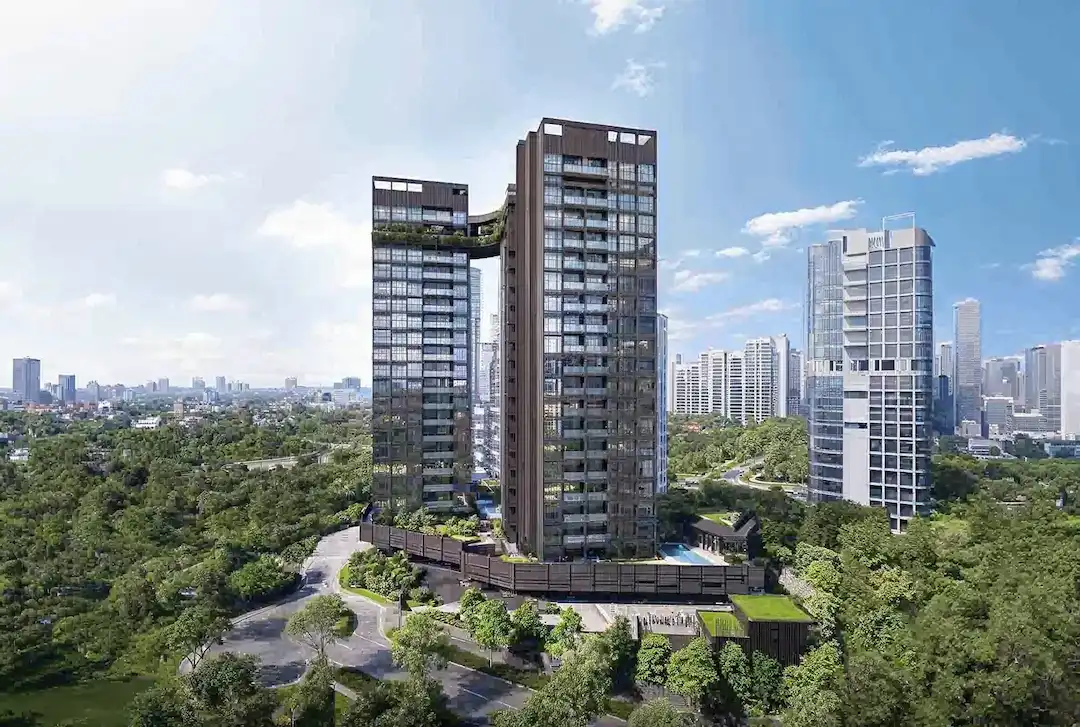
One useful reference point for understanding current project standards is the Lucerne Grand Showflat, which gives buyers insight into modern layouts, facilities, and how developers position premium units in today’s market.
Should Foreigners Buy Freehold Property in Singapore?
A frequent question is should foreigners buy freehold property in Singapore.
The answer depends on intent:
Yes, if the goal is long-term capital preservation
Yes, if investing in private condominiums (subject to regulations)
No, if expecting quick speculation gains without understanding taxes and rules
Singapore remains one of the most stable property markets globally, which is why foreign interest continues to stay strong.
How Freehold Property Works in Singapore Real Estate Market
To understand how freehold property works in Singapore real estate market, think of it as a fixed-asset ownership model in a highly regulated system.
Unlike some countries where land ownership rules vary widely, Singapore maintains strict planning controls. This ensures:
Controlled supply
High-quality development standards
Strong urban infrastructure
This stability is why many investors view Singapore property as a long-term hedge asset.
Case Study: A Long-Term Freehold Investment That Paid Off
Let’s look at a real-world style scenario.
A private investor purchased a freehold condominium unit in District 11 around 15 years ago. At the time, the price difference between freehold and leasehold units in the same area was roughly 20–25%.
Many buyers chose leasehold options because they were cheaper and offered slightly higher rental yields initially.
However, over time:
The freehold unit appreciated significantly due to scarcity
Leasehold units started showing slower price growth after 30–40 years of tenure
Buyers increasingly preferred freehold for resale confidence
When the investor eventually sold the property, the capital gain was substantially higher than comparable leasehold developments nearby.
This reflects a key principle in long term benefits of freehold property Singapore — patience often rewards scarcity.
Real-Life Buyer Insight (Personal Observation)
I once spoke with a couple considering between two similar condos — one freehold, one 99-year leasehold. The leasehold option was about 12% cheaper.
Initially, they leaned toward savings. But after evaluating long-term holding plans (15–20 years), they realized the freehold unit gave them more peace of mind.
Their reasoning was simple: “If we hold it long enough, we don’t want to think about lease expiry at all.”
That mindset is extremely common among long-term investors in Singapore.
Final Thoughts: Is Freehold Property Worth It?
In the end, freehold property singapore is not about guaranteed profit — it’s about long-term certainty.
If your goal is:
Wealth preservation
Legacy planning
Lower long-term ownership risk
Then freehold properties remain one of the strongest options in Singapore’s real estate landscape.
However, always balance:
Location
Entry price
Market timing
Rental demand
Because even the best tenure cannot compensate for poor location decisions.
FAQ
What is freehold property in Singapore?
It is property ownership with no expiry date on the land tenure.
Is freehold better than leasehold in Singapore?
It depends on your investment goal — freehold is better for long-term holding, leasehold may be better for affordability.
Are freehold properties more expensive?
Yes, they usually carry a premium due to scarcity and ownership advantages.
Do freehold properties appreciate faster?
Not always, but they tend to hold value more consistently over long periods.
Shery Walls is a dedicated home blogger who has been blogging for over six years. She covers everything home related. Shery also loves writing posts about her travels to Europe with her husband and two children.